Subcategorías de Hydraulics
Subcategories of Hydraulics
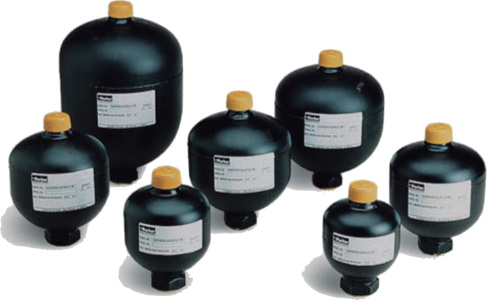
Hydraulic accumulators store energy through pressurised fluid in order to absorb peaks, maintain pressure or dampen pulsations in the circuit. They are commonly used when stability and fast response are required in the installation.
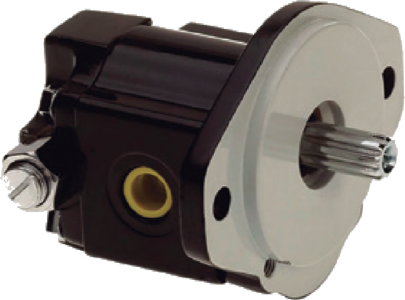
Hydraulic pumps and motors convert mechanical and hydraulic energy to generate flow, pressure or movement within the system. They are essential components in equipment that requires power, force transmission and continuous operation.
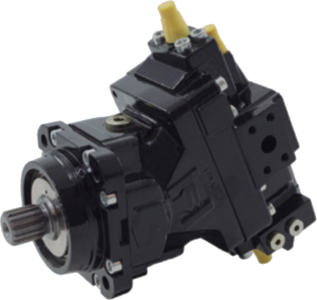
Hydraulic motors convert fluid energy into rotary motion. They are used in applications requiring power transmission and high torque with precise control.
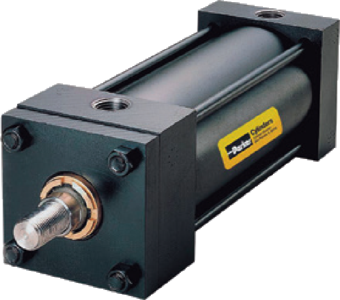
Hydraulic cylinders convert fluid pressure into linear motion and pushing or pulling force. They are used in machinery and installations where components need to be moved, lifted or actuated with precision and strength.
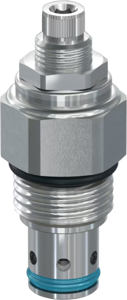
Pressure valves are designed to limit, maintain or reduce circuit pressure according to working conditions. They are key elements for protecting the installation and ensuring safe, controlled operation.
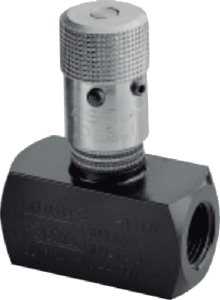
Flow valves regulate the amount of fluid moving through the system, helping to adjust actuator speed and behaviour. They are commonly used when flow rate needs to be controlled in a stable and precise way.
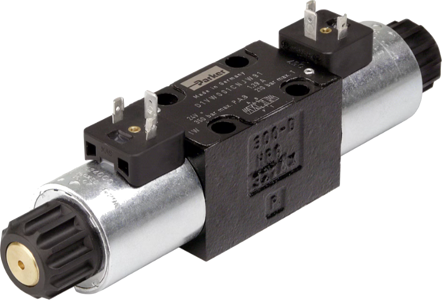
Directional valves direct fluid towards one line or another within the circuit in order to change the direction of movement. They are used to control actuators and coordinate operations in hydraulic systems.
Proportional valves allow variables such as flow or pressure to be adjusted progressively according to the control signal received. They are used in systems where finer regulation is required than with a simple open-or-close operation.
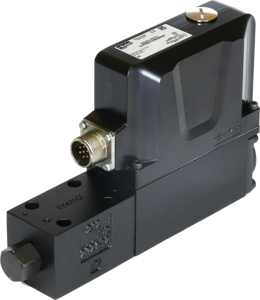
Shut-off valves allow the flow of fluid within a hydraulic circuit to be opened or stopped. They are used to isolate lines, carry out maintenance operations or simply control the operation of the installation.
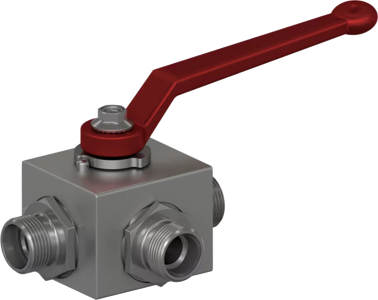
Servo valves are designed to control variables such as flow, pressure or position with high precision within a hydraulic circuit. They are used in applications where response, stability and fine control are especially important.
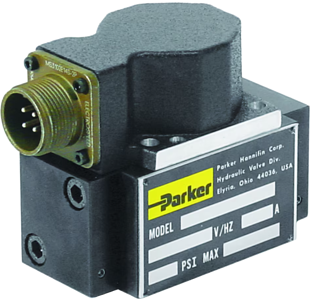
Hydraulic manifolds manage fluid distribution within the system, integrating multiple valves and functions into a single unit to simplify circuit control.
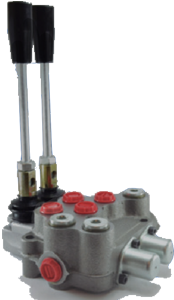
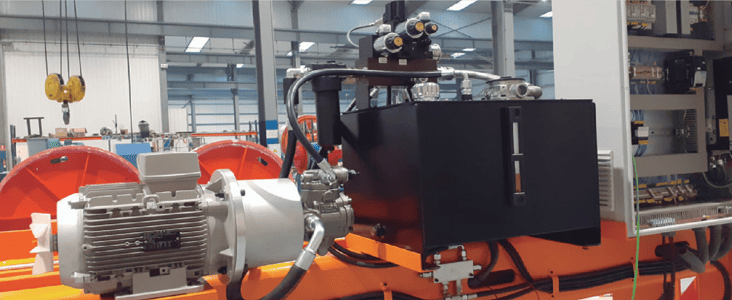
This subcategory brings together complete hydraulic units, assemblies and solutions designed to supply or control different processes. It includes equipment intended to integrate several components within the same working installation.
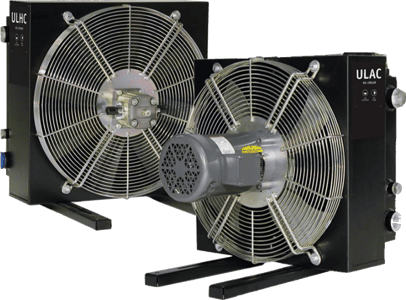
Heat exchangers regulate hydraulic fluid temperature through cooling or heating, ensuring proper system operation.
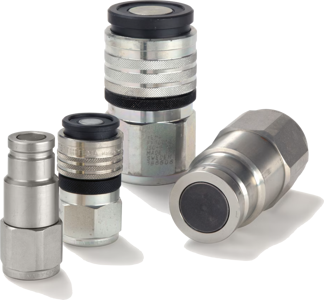
Connection technology includes fittings, joints and components used to securely connect the different sections of a hydraulic circuit. These elements are essential to ensure sealing, compatibility and reliable assembly within the installation.